Biotech Peptides - Buy Peptides Online (USA Made)

Peptide Blog

All articles and shared info are for educational purposes only.

Bremelanotide Peptide and HSDD Related-Research
Mar 3, 2025

Bremelanotide Peptide and HSDD Related-Research

Bremelanotide, also known as PT-141, is a synthetic cyclic heptapeptide derived from Melanotan II (MT-II), a synthetic analog of the melanocortin hormone α-melanocyte-stimulating hormone (α-MSH).[1][2] It was initially investigated for its potential role in addressing hypoactive sexual desire disorder (HSDD) in female research models, as evaluated in Phase IIb clinical trials by qualified researchers. Research […]

Pralmorelin Peptide and Growth Hormone Secretegogue Receptors (GHS-Rs)
Feb 22, 2025

Pralmorelin Peptide and Growth Hormone Secretegogue Receptors (GHS-Rs)

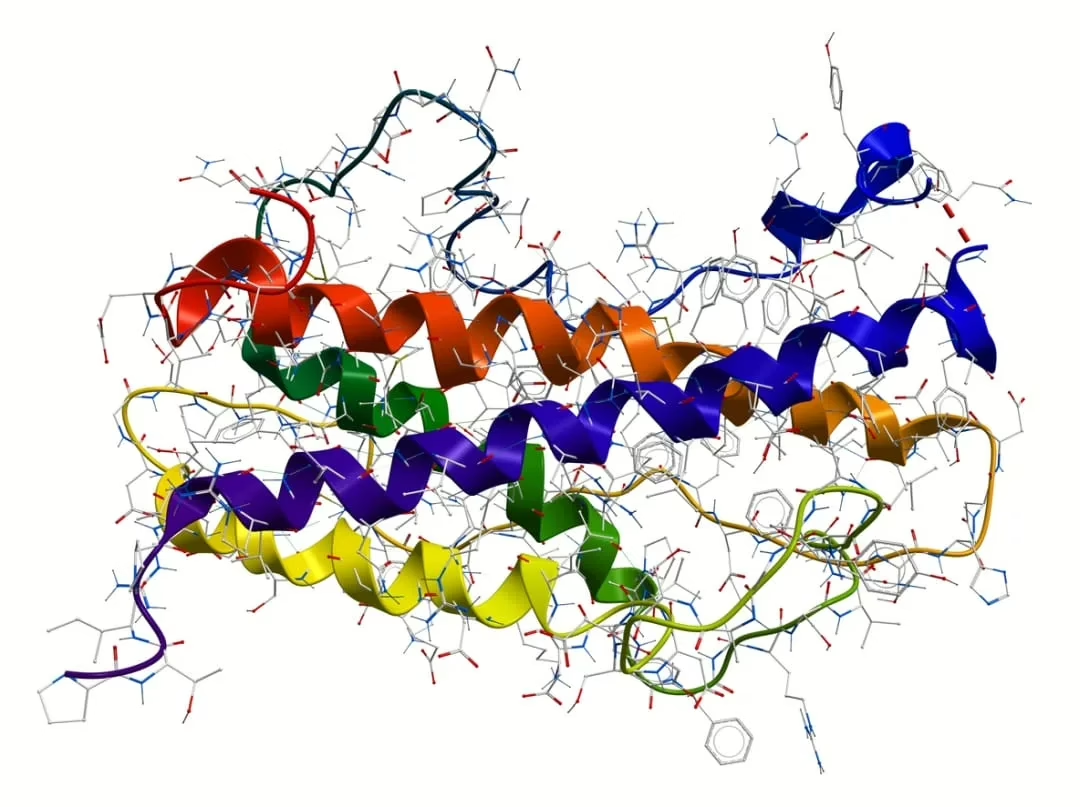
Pralmorelin, also referred to as Growth Hormone Releasing Peptide-2 (GHRP-2), is a synthetic pentapeptide classified as a growth hormone secretagogue. Structurally analogous to met-enkephalin[1], it appears to lack opioid activity and instead interacts with the ghrelin/growth hormone secretagogue receptors (GHS-Rs) to stimulate growth hormone (GH) release. Initially developed as a diagnostic agent for assessing GH […]

Insights into the Tesamorelin, Ipamorelin, and CJC-1295 Peptide Blend
Feb 12, 2025

Insights into the Tesamorelin, Ipamorelin, and CJC-1295 Peptide Blend

The Tesamorelin & CJC-1295 (Mod GRF 1-29) & Ipamorelin peptide blend represents a combination of synthetic peptides, each with distinct properties that researchers have hypothesized may hold mechanisms for stimulating growth hormone (GH) synthesis and secretion. Although structurally and functionally unique, these peptides appear to share a common focus on modulating the endocrine system’s GH […]

Modified GRF 1-29 & Ipamorelin Blend: Studies in Growth Hormone Secretion and Metabolic Regulation
Jan 15, 2025

Modified GRF 1-29 & Ipamorelin Blend: Studies in Growth Hormone Secretion and Metabolic Regulation

The Modified GRF 1-29 and Ipamorelin blend represents a significant advancement in peptide-based research, particularly for its potential to influence growth hormone secretion and metabolic processes. This synergistic combination pairs two complementary peptides with distinct but interconnected roles, which is considered pivotal in this branch of scientific research. Modified GRF 1-29, a stabilized analog of […]

AHK-Cu Peptide And Epithelial Tissues
Jan 6, 2025

AHK-Cu Peptide And Epithelial Tissues

AHK-Cu is often described as a small tripeptide (alanine–histidine–lysine) that may incorporate a copper ion bound to the residues of alanine and histidine.[1] Some researchers believe that the amino acid sequence might be endogenously occurring. Investigations by qualified researchers also propose that AHK-Cu peptide might have a role in modulating several processes in endothelial cells, […]

MGF Action on Different Types of Muscle Cells
Jan 3, 2025

MGF Action on Different Types of Muscle Cells

Mechano-growth factor (MGF) is posited to be a short, 24–24-amino-acid segment that may appear within one of the isoforms of insulin-like growth factor-1 (IGF-1).[1] For context, IGF-1 is widely regarded as one of the most powerful endogenous factors driving cellular growth and proliferation. One of its isoforms produced via the IGF-1 gene appears to be […]

Adipotide FTPP and Metabolism of Adipocytes
Dec 30, 2024

Adipotide FTPP and Metabolism of Adipocytes

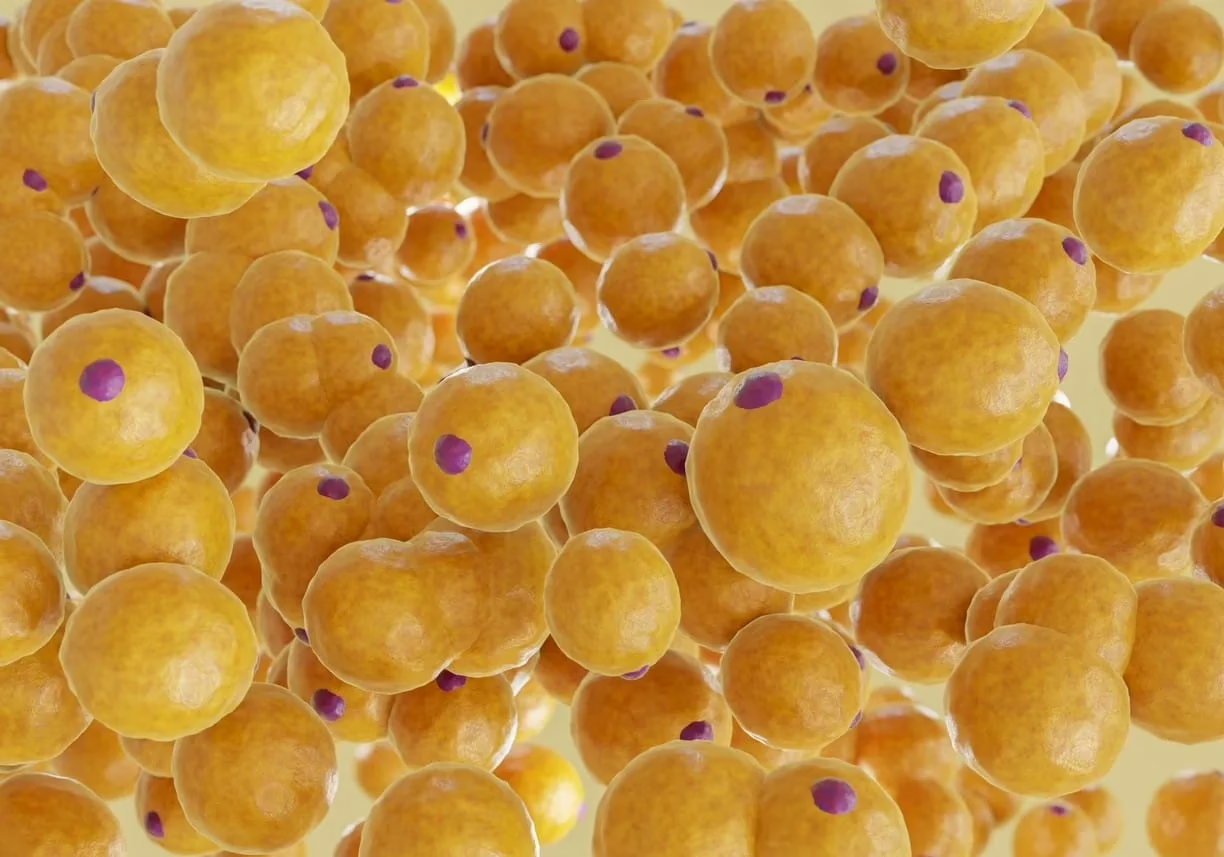
Adipotide, also referred to as FTPP or Prohibitin-targeting peptide 1 (Prohibitin-TP01), is a synthetic compound that may mimic specific parts of endogenously occurring proteins. In other words, it is posited to be a “peptidomimetic,” which means it may produce sequences of amino acids to imitate the way certain proteins normally work. The sequence of the […]

Tesamorelin Peptide: Lipid Metabolism and Muscular Tissue Modulation
Dec 19, 2024

Tesamorelin Peptide: Lipid Metabolism and Muscular Tissue Modulation

Tesamorelin is a synthetic peptide composed of 44 amino acids designed to closely mimic the structure and function of growth hormone-releasing hormone (GHRH). Modifications to its structure, particularly at the N- and C-termini, are believed to support its stability and resistance to enzymatic degradation compared to endogenous GHRH. These changes include the addition of an […]

Ipamorelin & GHRP-2 Blend Research Into Growth Hormone Secretion
Dec 12, 2024

Ipamorelin & GHRP-2 Blend Research Into Growth Hormone Secretion

GHRP-2 and Ipamorelin are research peptides that are commonly referred to as growth hormone secretagogues (GHSs). This is because they both have the potential to interact with a specific subset of receptors in pituitary gland cells, which are called growth hormone secretagogue receptors. As evident from the name of the receptors, their activation may trigger […]

BPC-157 & TB-500 Blend’s Protective Potential in Various Cell Cultures
Nov 20, 2024

BPC-157 & TB-500 Blend’s Protective Potential in Various Cell Cultures

BPC-157 is a fully synthetic peptide consisting of 15 amino acids, classifying it as a pentadecapeptide. Also known as L 14736, PL-10, and Bepecin, this molecule has garnered scientific interest for its potential to interact with intracellular signaling pathways, possibly influencing mechanisms involved in tissue repair and regeneration. Studies suggest that it may promote angiogenesis—the […]

Pinealon Peptide: Implications for Neuroprotection, Cellular Aging Mechanisms
Nov 8, 2024

Pinealon Peptide: Implications for Neuroprotection, Cellular Aging Mechanisms

Pinealon is a synthetic tripeptide composed of the amino acids L-glutamic acid, L-aspartic acid, and L-arginine (Glu-Asp-Arg)1. It is categorized as a peptide bioregulator because it has been hypothesized to interact directly with cellular DNA and influence gene expression, a property not commonly observed in peptide compounds. Research has associated Pinealon with a range of […]