Biotech Peptides - Buy Peptides Online (USA Made)

Peptide Blog

All articles and shared info are for educational purposes only.

Pharmacological and Metabolic Insights into the Ipamorelin & CJC-1295 Blend
Sep 2, 2025

Pharmacological and Metabolic Insights into the Ipamorelin & CJC-1295 Blend

Ipamorelin and CJC-1295 blend is a mix of the two synthetic peptides categorized as growth hormone secretagogues (GHSs).This classification refers to compounds that may stimulate the release of growth hormone (GH) through indirect pathways rather than functioning as growth hormone releasing peptides. Ipamorelin is a pentapeptide, also identified as NNC 26-0161[1], while CJC-1295 is a […]

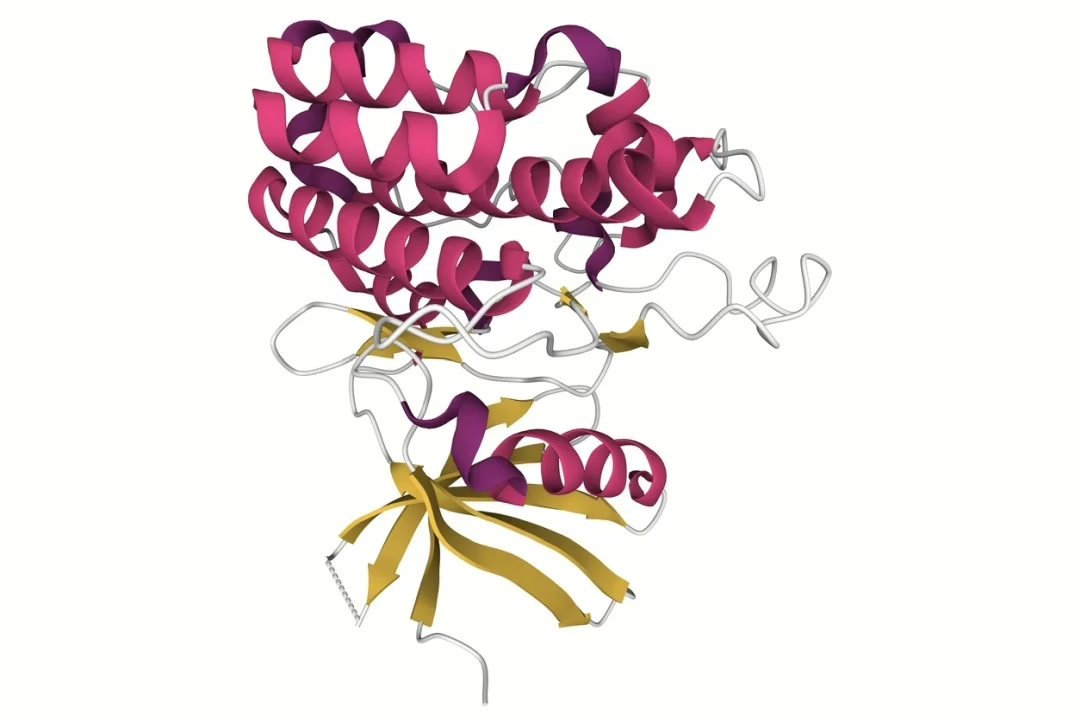
Potential of Sermorelin and Ipamorelin in Growth Hormone Regulation and Systemic Outcomes
Aug 28, 2025

Potential of Sermorelin and Ipamorelin in Growth Hormone Regulation and Systemic Outcomes

Sermorelin and Ipamorelin are synthetic peptides extensively studied for their potential influence on growth hormone regulation. Sermorelin is a 29-amino acid peptide fragment[1] derived from the endogenous growth hormone-releasing hormone (GHRH), which appears to represent the biologically active N-terminal portion known as Growth Hormone Releasing Factor (1-29) or GRF (1-29). This truncation from the native […]

Tripeptide-1: Antioxidant, Anti-Inflammatory, and Regenerative Research
Aug 18, 2025

Tripeptide-1: Antioxidant, Anti-Inflammatory, and Regenerative Research

Tripeptide-1, commonly referred to as GHK (glycyl-L-histidyl-L-lysine), is a naturally occurring oligopeptide composed of three amino acids arranged in the specific sequence glycine-histidine-lysine. Initially identified in plasma, it has since been recorded as present in a variety of physiological fluids and tissues, including cerebrospinal fluid, liver parenchyma, and platelet-derived matrices. The peptide structure is hypothesized […]

Chonluten (T-34) Peptide: Inflammation, Gene Expression Regulation & Oxidative Stress Modulation
Aug 15, 2025

Chonluten (T-34) Peptide: Inflammation, Gene Expression Regulation & Oxidative Stress Modulation

Chonluten (T-34), also referred to as EDG tripeptide, is a synthetic short peptide composed of glycine, glutamine, and asparagine. Classified by researchers as a peptide bioregulator, Chonluten has been studied for its organ-specific implications, particularly in pulmonary tissue. Preliminary research has suggested that it may play a role in modulating gene expression pathways associated with […]

Frag 176-191: Insights from Lipolytic, Osteoarthritic, and Oncologic Models
Jul 25, 2025

Frag 176-191: Insights from Lipolytic, Osteoarthritic, and Oncologic Models

Frag 176-191 (Fragment 176-191), which, in scientific literature, is often also referred to as hGH Fragment 176-191, tyr-hGH 177-191, or AOD 9604, is a synthetic peptide derived from the C-terminal region of the human growth hormone (hGH) molecule. This segment comprises the final 16 amino acid residues of the endogenous hGH polypeptide chain. This sequence […]

Thymosin Beta-4 Peptide Fragments: Anti-Inflammatory, Anti-Fibrotic, and Regenerative Properties Explored
Jul 3, 2025

Thymosin Beta-4 Peptide Fragments: Anti-Inflammatory, Anti-Fibrotic, and Regenerative Properties Explored

Thymosin beta-4 fragments (Tβ4) is a 43-amino acid peptide first isolated from calf thymus and classified as a major G-actin-sequestering molecule within eukaryotic cells.[1] It belongs to the β-thymosin family. Researchers believe this class of peptide may contribute to the regulation of cytoskeletal dynamics, cell migration, and tissue remodeling. Due to its ubiquitous expression and […]

KP-10 (Kisspeptin-10): Studies on Neuroprotection, Gonadotropin Regulation, and Emotional Processing
Apr 21, 2025

KP-10 (Kisspeptin-10): Studies on Neuroprotection, Gonadotropin Regulation, and Emotional Processing

Kisspeptin-10 (also referred to as “KP-10”) is a short bioactive peptide fragment of the kisspeptin family, originating from proteolytic processing of a 145-amino acid precursor encoded by the KISS1 gene.[1] This gene product is believed to undergo sequential cleavage, yielding several functional fragments, including kisspeptin-54, kisspeptin-14, kisspeptin-13, and the decapeptide Kp-10. Among these, Kp-10 corresponds […]

The Synergistic Potential of Fragment 176-191 & CJC-1295 & Ipamorelin Blend in Peptide Based Studies
Apr 12, 2025

The Synergistic Potential of Fragment 176-191 & CJC-1295 & Ipamorelin Blend in Peptide Based Studies

Recent investigations into growth hormone secretagogues (GHSs), growth hormone-releasing peptides (GHRPs), and analogs of growth hormone (hGH) have pointed to their potential in modulating endogenous hormone regulation. Individually and in combination, these agents may potentially influence physiological processes such as lipid mobilization, muscle composition, circadian rhythm modulation, and various systemic functions, including gastrointestinal and cardiovascular […]

FST-344 (Follistatin-344) Peptide: Transforming Growth Factor-beta (TGF-β) Implications
Mar 30, 2025

FST-344 (Follistatin-344) Peptide: Transforming Growth Factor-beta (TGF-β) Implications

Follistatin-344 (FST-344) is an endogenous glycoprotein widely distributed across various tissues. It is classified as an autocrine signaling molecule, meaning that scientists consider it to be synthesized and secreted by cells to bind to their own surface receptors, leading to intracellular modifications. Research suggests that Follistatin exists primarily in two isoforms, FST-317 and FST-344, with […]

GHK-Cu and AHK-Cu: Copper Peptides and Cell Interaction Research Studies
Mar 21, 2025

GHK-Cu and AHK-Cu: Copper Peptides and Cell Interaction Research Studies

Copper peptides are endogenously occurring complexes formed by binding copper ions (Cu2+) to specific amino acid sequences. Among these, glycyl-L-histidyl-L-lysine (GHK-Cu) is the most extensively studied tripeptide. However, other copper-binding peptides such as DAHK-Cu (Aspartyl-Alanyl-Histidyl-Lysine) and AHK-Cu (Alanine-Histidine-Lysine) have also been identified. These peptides have reportedly been studied for their potential roles in gene expression, […]

Proxofim Peptide and Cellular Apoptosis: A Research Summary
Mar 12, 2025

Proxofim Peptide and Cellular Apoptosis: A Research Summary

FOXO4-D-Retro-Inverso (FOXO4-DRI), also called Proxofim peptide, is a synthetic variant of the endogenous FOXO4 protein. This synthetic variant is developed with D-amino acids in place of the endogenously occurring L-amino acids.[1] This modification was made in the hope of supporting stability by reducing susceptibility to proteolytic degradation, thereby increasing the potential to extend a cellular […]