Biotech Peptides - Buy Peptides Online (USA Made)

Peptide Blog

All articles and shared info are for educational purposes only.

AEDR Peptide (Cardiogen): Molecular Characterization, Cardiac-Tissue Epigenetic Regulation, and Preclinical Research
Oct 10, 2026

AEDR Peptide (Cardiogen): Molecular Characterization, Cardiac-Tissue Epigenetic Regulation, and Preclinical Research

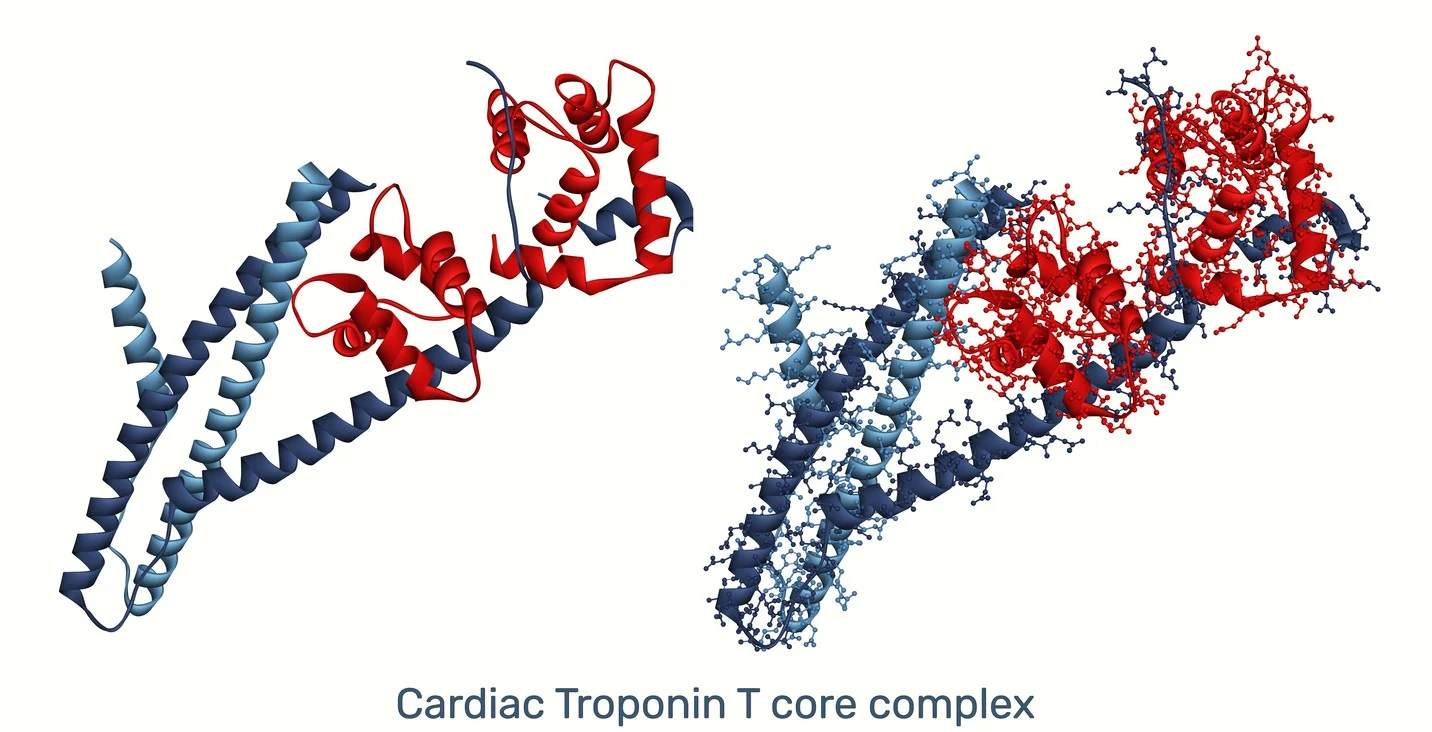
Cardiogen is a synthetic tetrapeptide bioregulator with the amino acid sequence Ala-Glu-Asp-Arg (AEDR).[1] It belongs to the class of short regulatory peptides referred to as Khavinson peptides, developed through research programs conducted at the St. Petersburg Institute of Bioregulation and Gerontology under the direction of Professor Vladimir Khavinson.[2] Cardiogen is classified as a cardiac-tissue-specific bioregulator, […]

KLOW Blend (BPC-157, TB-500, GHK-Cu, KPV): Molecular Characterization, Receptor Mechanisms, and Multi-Pathway Tissue Research
Aug 29, 2026

KLOW Blend (BPC-157, TB-500, GHK-Cu, KPV): Molecular Characterization, Receptor Mechanisms, and Multi-Pathway Tissue Research

The KLOW blend is a research-grade formulation comprising four structurally distinct peptides: BPC-157 (Body Protection Compound-157), TB-500 (Ac-LKKTETQ, the actin-binding fragment of thymosin beta-4), GHK-Cu (glycyl-L-histidyl-L-lysine copper complex), and KPV (Lys-Pro-Val). Each constituent engages a pharmacologically discrete molecular target. BPC-157 acts principally via VEGFR2-mediated angiogenesis and the nitric oxide signaling axis.[1][2] TB-500 functions through G-actin […]

EDR (Pinealon): Molecular Characterization, Epigenetic Mechanisms, and Neuroprotective Research
Aug 3, 2026

EDR (Pinealon): Molecular Characterization, Epigenetic Mechanisms, and Neuroprotective Research

EDR is a synthetic tripeptide composed of three amino acids in the sequence L-glutamic acid-L-aspartic acid-L-arginine (Glu-Asp-Arg), designated in single-letter code as Pinealon.[1] It is classified within the Khavinson peptide bioregulator framework as a cytogen, a short peptide hypothesized to modulate gene expression in targeted tissue types through direct interaction with cellular DNA. The term […]

Biopeptide EL: Molecular Characterization, Elastin-Binding Receptor Dermatology, and Extracellular Matrix Research
Jul 23, 2026

Biopeptide EL: Molecular Characterization, Elastin-Binding Receptor Dermatology, and Extracellular Matrix Research

Biopeptide EL is the commercial designation for a synthetic lipopeptide formally classified under the INCI as Palmitoyl Hexapeptide-12. Biopeptide EL is composed of a hexapeptide sequence Val-Gly-Val-Ala-Pro-Gly (VGVAPG), covalently conjugated at its N-terminus to palmitic acid (C16:0), a 16-carbon saturated fatty acid chain. This palmitoyl conjugation confers amphiphilic character upon the molecule, yielding a lipopeptide […]

BPC157: Molecular Characterization, Pleiotropic Signaling Mechanisms, and Preclinical Research
Jul 14, 2026

BPC157: Molecular Characterization, Pleiotropic Signaling Mechanisms, and Preclinical Research

Body Protection Compound-157 (BPC157) is a synthetic pentadecapeptide composed of 15 amino acids. It is derived from a partial sequence of a gastric protective protein identified in gastric juice.[9] The complete amino acid sequence of BPC157 is Gly-Glu-Pro-Pro-Pro-Gly-Lys-Pro-Ala-Asp-Asp-Ala-Gly-Leu-Val. BPC157 has a molecular formula of C₆₂H₉₈N₁₆O₁₂ and a molecular weight of approximately 1419.5 g/mol (PubChem CID […]

Copper Peptides: Molecular Characterization, Mechanistic Biology, and Emerging Research
Jul 10, 2026

Copper Peptides: Molecular Characterization, Mechanistic Biology, and Emerging Research

Copper peptides are a class of naturally occurring and synthetically reproduced small peptide and copper ion complexes in which Cu²⁺ coordinates with specific amino acid sequences to form stable chelate structures. Three members of this class have received the most extensive research attention: glycyl-L-histidyl-L-lysine copper(II) (GHK-Cu), aspartyl-alanyl-histidyl-lysine copper(II) (DAHK-Cu), and alanyl-histidyl-lysine copper(II) (AHK-Cu). Each exhibits […]

Modified GRF 1-29 and GHRP-2 Peptide Blend: Receptor Pharmacology, Signaling, and Neuroendocrine Research
Jul 2, 2026

Modified GRF 1-29 and GHRP-2 Peptide Blend: Receptor Pharmacology, Signaling, and Neuroendocrine Research

The Modified GRF 1-29 and GHRP-2 peptide blend is a dual-component research formulation combining a stabilized growth hormone-releasing hormone (GHRH) analog with a synthetic ghrelin-mimetic hexapeptide. Modified GRF 1-29 (also designated CJC-1295 without DAC, or tetra-substituted GRF(1-29)) targets the GHRH receptor (GHRH-R), a Class B G protein-coupled receptor (GPCR) expressed on anterior pituitary somatotroph cells.[1][3] […]

Fragment 176-191, Modified GRF 1-29, and Ipamorelin Blend: Adipose Metabolism, GH Axis Modulation, and Receptor Signaling Research
Jun 16, 2026

Fragment 176-191, Modified GRF 1-29, and Ipamorelin Blend: Adipose Metabolism, GH Axis Modulation, and Receptor Signaling Research

The Fragment 176-191, Modified GRF 1-29, and Ipamorelin peptide blend is a research-grade tri-component formulation combining three structurally and mechanistically distinct synthetic peptides. Fragment 176-191 (also designated hGH Frag 176-191, AOD-9604, or Tyr-hGH 177-191) is a synthetic C-terminal hexadecapeptide fragment of human growth hormone (hGH), engineered to isolate the lipolytic domain of the hGH polypeptide.[1][5] […]

PNC-27: Structural Characterization, HDM-2-Dependent Membrane Targeting, and Selective Tumor Cell Necrosis
Jun 12, 2026

PNC-27: Structural Characterization, HDM-2-Dependent Membrane Targeting, and Selective Tumor Cell Necrosis

PNC-27 is a synthetic chimeric peptide engineered to engage the double minute-2 protein (HDM-2; the broader mammalian homolog of murine MDM-2) expressed on the plasma membranes of cancer cells. The peptide incorporates two functionally distinct domains: an HDM-2-binding sequence derived from the transactivating segment of the tumor suppressor protein p53 (residues 12-26), and a cell-penetrating […]

AOD-9604: Molecular Characterization, Lipolytic Mechanisms, and Emerging Research in Tissue Biology and Mammalian Oncology
May 8, 2026

AOD-9604: Molecular Characterization, Lipolytic Mechanisms, and Emerging Research in Tissue Biology and Mammalian Oncology

AOD-9604 is a synthetic hexadecapeptide fragment derived from the C-terminal region of hGH. It corresponds to residues 176–191 of the 191-amino acid hGH polypeptide, with the addition of a tyrosine residue at the N-terminus to support structural stability.[1] The complete amino acid sequence of AOD-9604 is: Tyr-Leu-Arg-Ile-Val-Gln-Cys-Arg-Ser-Val-Glu-Gly-Ser-Cys-Gly-Phe-OH, with a disulfide bond bridging the two cysteine […]

Tesamorelin, Modified GRF 1-29, and Ipamorelin Peptide Blend: Growth Hormone Axis Pharmacology and Preclinical Research
Apr 23, 2026

Tesamorelin, Modified GRF 1-29, and Ipamorelin Peptide Blend: Growth Hormone Axis Pharmacology and Preclinical Research

The Tesamorelin, Modified GRF 1-29, and Ipamorelin peptide blend is a research-grade formulation combining three structurally distinct synthetic peptides, each engaging the growth hormone (GH) regulatory axis through pharmacologically discrete receptor mechanisms.  Two constituents – Tesamorelin and Modified GRF 1-29 – target the growth hormone-releasing hormone receptor (GHRH-R), a Class B G protein-coupled receptor (GPCR) […]

Sermorelin, GHRP-6, and GHRP-2 Peptide Blend: Receptor Pharmacology, Intracellular Signaling, and Neuroendocrine Research
Apr 9, 2026

Sermorelin, GHRP-6, and GHRP-2 Peptide Blend: Receptor Pharmacology, Intracellular Signaling, and Neuroendocrine Research

The Sermorelin & GHRP-6 & GHRP-2 peptide blend is a research-grade formulation designed to facilitate the study of integrated signaling within the somatotropin and ghrelin-related regulatory axes. This particular formulation combines a growth hormone-releasing hormone (GHRH) analog with two growth hormone secretagogue receptor (GHS-R) agonists, thereby enabling examination of parallel receptor engagement and downstream signaling […]